We won the past.dev challenge (and the website broke 3 minutes before the deadline)
Two weeks after judging my first hackathon, I was back on the building side. At the SF AI Research Hackathon, 30 hours in San Francisco, a team of five built Butterfly Effect, an AI research project about GPU prices. We won the past.dev challenge. I also spent the whole night at the venue without sleeping and watched the site break three minutes before submission.
Two weeks ago I judged my first hackathon and wrote down the four questions I ask every team. Does it run? Is the AI doing a job? Can you explain it in plain words? What did you cut?
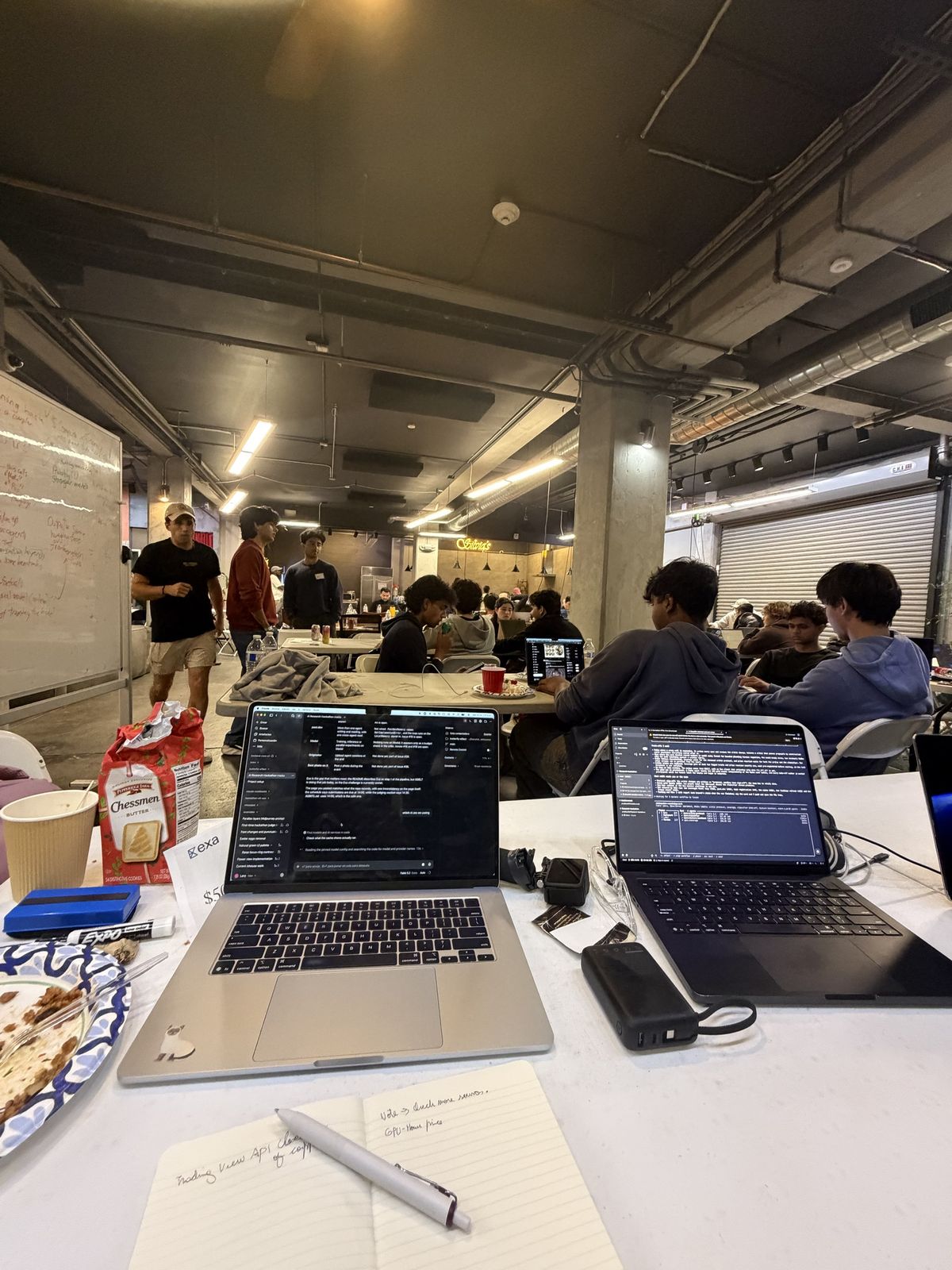
Last weekend I had to answer them myself. On November 14 and 15 I was back on the building side, in San Francisco, at the SF AI Research Hackathon: 30 hours, four teammates, and a project called Butterfly Effect.
We won the past.dev challenge. I did not sleep that night, and I am still a little tired.
What we built
We were in Pacific's track, which was about GPUs and what they cost to rent.
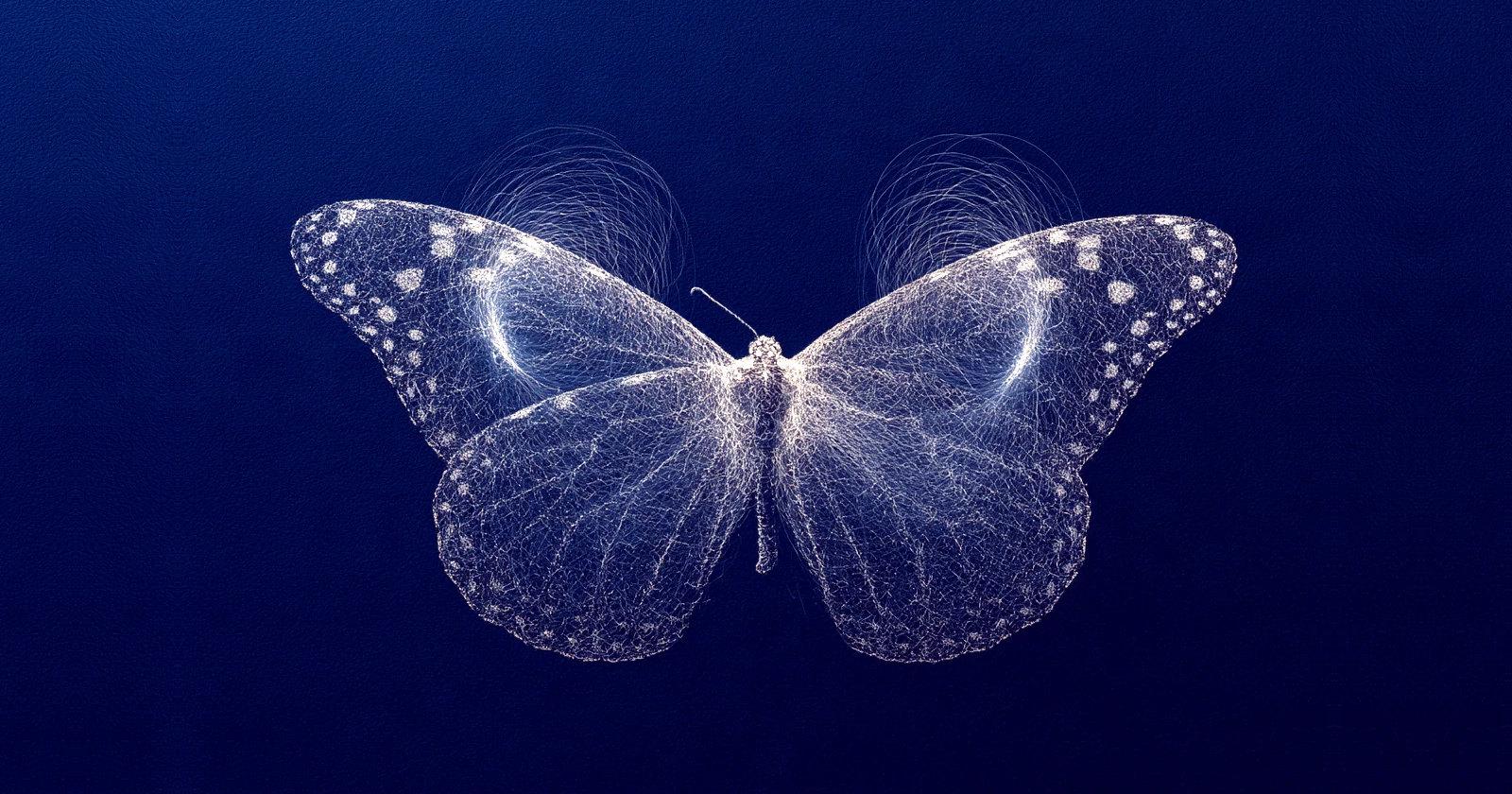
Butterfly Effect is our attempt at that question: an AI research project that tries to say something useful about where those prices are going. The name comes from chaos theory. Small things at the start can turn into big differences later, which is a polite way of saying the future is hard.
I am going to leave the details there. The site explains it better than a tired person can.
What I will say is that the part I am proudest of is not a clever trick. We were strict with ourselves. A lot of our ideas did not survive, including the ones we were most excited about, and we said so in the write-up. I think a small honest result is worth more than a big one nobody can check.
The past.dev challenge
The challenge we won was past.dev's. We used it in the project, and here too we reported what actually happened, including the parts that did not go the way we hoped.
Winning with that kind of answer is the thing I like telling people about.
The all-nighter
Now the less scientific part.
The hackathon ran for 30 hours, and I started working late. So when everyone else's evening was winding down, mine was just starting. I did not go home. I spent the whole night at the venue and did not sleep at all, to make it work.
I do not recommend it, and I would do it again.
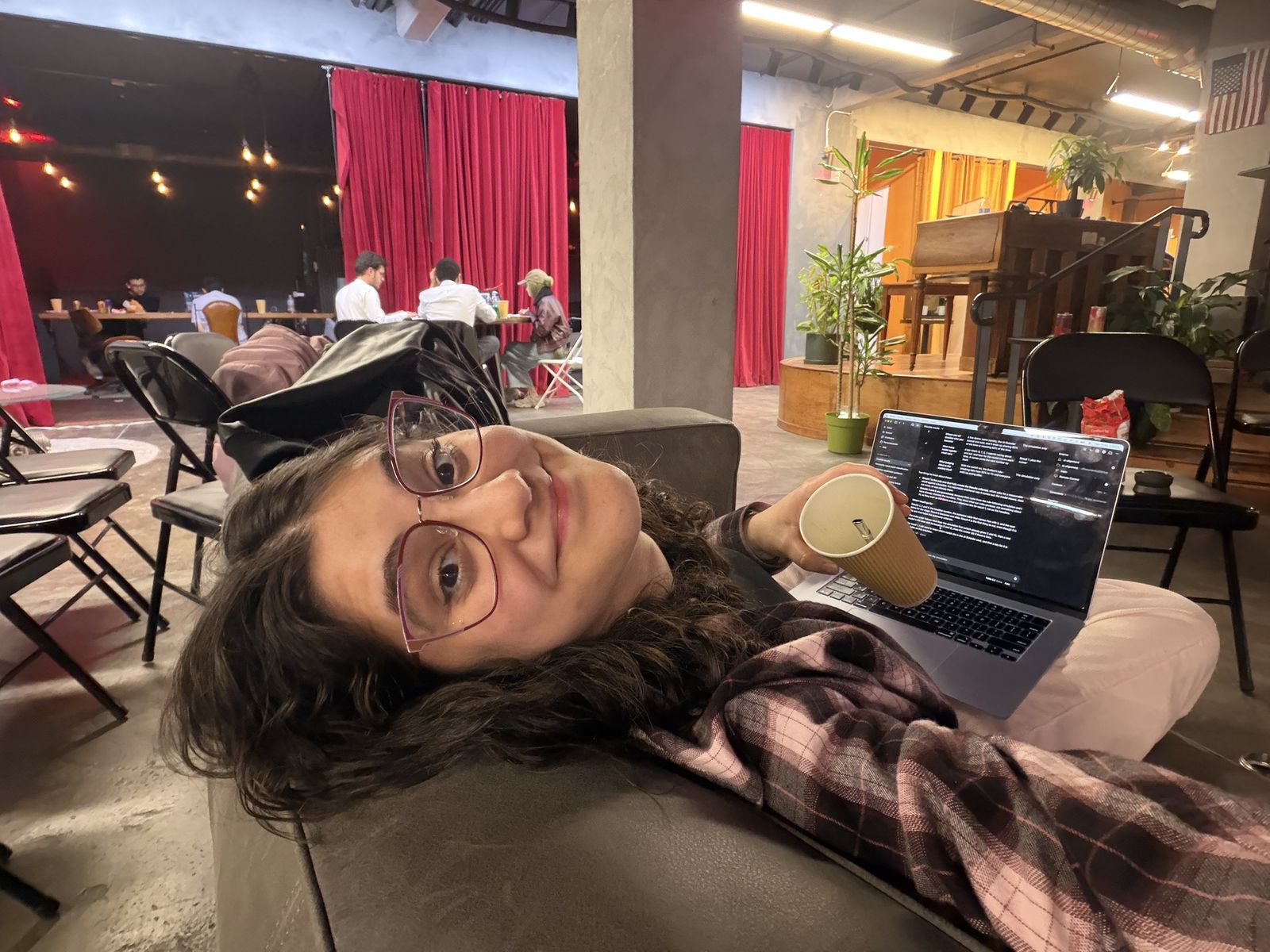
This is what that looked like. And that is not coffee in my hand. I found yerba mate at the venue, in San Francisco, in the middle of the night, so I made myself a mate with whatever I could find: a paper cup and a straw. Mate in one hand, laptop on my lap, horizontal, but awake.
The night had its moments too. The venue had a piano on a small stage, and people kept finding it.
And then, three minutes before the submission deadline, the website broke.
Three minutes is a strange amount of time. It is too long to give up and too short to think. There was no room in the schedule for panic, so I had to focus really hard: one thing at a time, fix it, push. It went in with almost nothing left on the clock.
In August my demo broke itself live on stage. In November my site broke three minutes before a deadline. I am starting to think this is just how I ship.
My own four questions
So, how did we do on the list I gave other teams two weeks ago?
- Does it run? Yes. Barely, at the end, but yes. The site is live.
- Is the AI doing a job? Yes, and it does not get the last word. I like that.
- Can you explain it in plain words? It tries to say where GPU prices are going, and it is honest about how sure it is.
- What did you cut? A lot. Several ideas we liked, and a full night of sleep.
It is much easier to ask those questions than to answer them after a night without sleep.
Thank you
I did not build this alone. Thank you to my teammates, including  Sofiane Croisier on LinkedIn (opens in a new tab) and
 Jonathan Batista Ferreira on LinkedIn (opens in a new tab), for a weekend of very good arguments about what counts as evidence.
Thank you to the organizers of the SF AI Research Hackathon, to Pacific for the track and the data, and to past.dev for the challenge.
If you want to see it, Butterfly Effect is live. And if you are about to press deploy three minutes before a deadline: breathe, look at one thing at a time, and push.